















Birth Chart Basics: Decode Your Astrology, Horoscope, and Zodiac

Understanding Astrology: How Horoscope, Zodiac, and Birth Chart Work Together

Astrology is an ancient language that maps the sky to human experience. People often hear the words horoscope, zodiac, and birth chart used interchangeably, but each term has a specific role. Learning how they connect gives you a clearer, more useful way to explore personality, timing, and life patterns.
What is the zodiac?
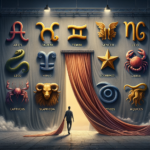
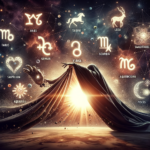
The zodiac is a band of constellations that circle the Earth. It’s divided into twelve signs—Aries through Pisces—each associated with particular traits, elements (fire, earth, air, water), and modes (cardinal, fixed, mutable). When people ask “what’s your sign?” they usually mean your sun sign, the zodiac sign the sun occupied at your birth.
The zodiac provides symbolic language. It’s not deterministic; instead, it offers themes and tendencies. Think of it as a palette of energies you can understand and work with.
The horoscope: a snapshot in time
A horoscope is a chart or forecast based on the positions of celestial bodies at a specific moment. Daily horoscopes in newspapers simplify this by applying planetary transits to each sun sign. More precise horoscopes use the birth chart and current planetary movements to create personalized predictions and timing guidance.
Horoscopes can help you:
- Spot recurring cycles and opportunities
- Prepare for challenging transits
- Make informed choices around relationships, work, and growth
Birth chart: the blueprint of potential
A birth chart (also called a natal chart) is a map of the sky at the exact time, date, and place you were born. It shows the placement of the sun, moon, planets, and important angles across the zodiac and into twelve houses—each house representing life areas (identity, finances, home, communication, relationships, etc.).
Key components of a birth chart:
- Sun sign: core identity and life purpose
- Moon sign: emotional needs and instinctive reactions
- Rising sign (Ascendant): how you present yourself and first impressions
- Planetary aspects: dynamic interactions that shape strengths and challenges
The birth chart is less about “What will happen?” and more about “Who are you, and how do you best navigate life?” It’s a potent tool for self-awareness, career direction, relationship patterns, and timing major decisions.
How horoscope, zodiac, and birth chart interact
- The zodiac provides the symbolic language (the signs).
- The birth chart uses that language to describe an individual’s energetic blueprint.
- Horoscopes apply current planetary movement to the birth chart, offering context and timing.
For example, when Saturn—planet of discipline—passes over your natal sun, a horoscope might forecast a period of increased responsibility or restructuring. The zodiac sign of your sun and Saturn’s current position add nuance to how that energy manifests.
Practical ways to use astrology in daily life
- Journal during major transits: note themes and patterns when planets change signs or form aspects to your natal chart.
- Use your birth chart for career and relationship awareness: identify natural gifts, communication styles, and potential friction points.
- Consult horoscopes for timing: ideal windows for launches, travel, or emotional processing often align with supportive transits.
- Combine astrology with action: treat insights as guidance, not fate—apply strategies and experiment.
Common misconceptions
- Astrology is not a rigid fate machine. It describes tendencies and timing, not immutable outcomes.
- Horoscopes printed for sun signs are general. Personalized readings using your birth chart are deeper and more accurate.
- Skepticism is healthy. Use astrology as a tool—test its usefulness against real-life results.
Quick tips to get started
- Get your birth chart: collect exact birth time, date, and location to generate an accurate chart online or through an astrologer.
- Learn the basics: understand your sun, moon, and rising signs first—these three reveal a surprising amount.
- Track one transit at a time: focus on major planets (Saturn, Jupiter, Uranus, Neptune, Pluto) and how they affect your natal planets.
- Keep a record: writing about experiences during significant transits helps validate and refine your understanding.
Closing thoughts
Astrology, when used thoughtfully, becomes a meaningful framework for self-discovery and timing. The zodiac gives the vocabulary, the birth chart provides the map, and horoscopes translate movement into actionable timeframes. Whether you’re curious, seeking insight, or planning major life steps, these tools can add perspective and clarity to your journey.
You must be logged in to post a comment.